
- How image analysis complements laser diffraction
- What particle shape can tell you about your materials
- How image analysis can be used as a troubleshooting tool
- The flexibility of the Hydro Insight as an image analyzer
- What data you can get from the Hydro Insight
A deeper dive into materials analysis with the Hydro Insight
December 1, 2022 | 10:30 - 11:00 ET | Virtual
About The Event
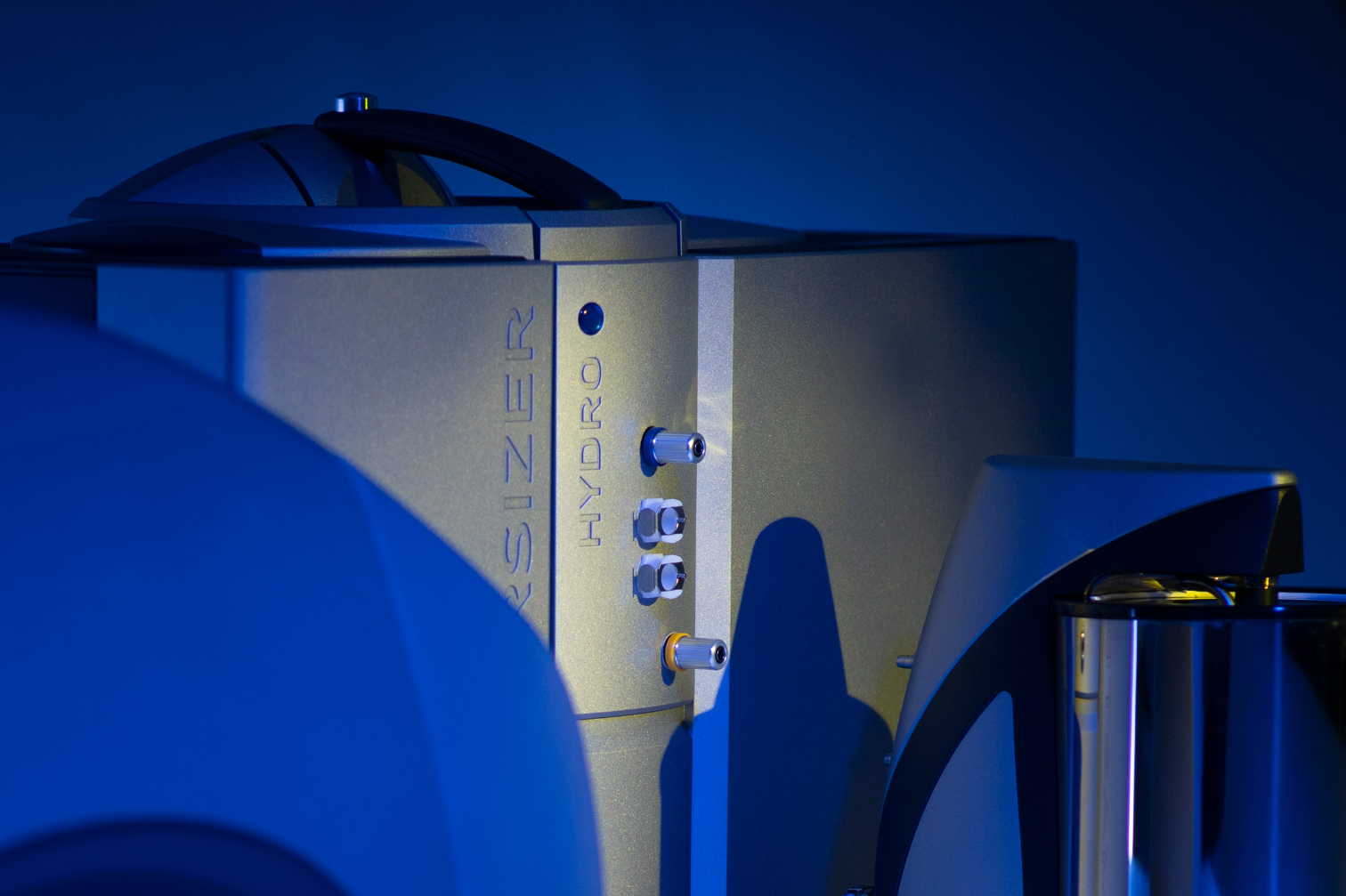
Particle size is key to how materials behave, and laser diffraction is one of the most common techniques for measuring the particle size distribution in many industries. Within minutes you’ll get a reproducible particle size distribution. So, it’s a common technique from predicting product performance in R&D to keeping materials under control in QA/AC. But sometimes particle size isn’t the end of the story. You might have the size under control, but still be seeing differences in performance between batches? Maybe you’ve seen a change in the size distribution and want a bit more detail on what’s going on? Or you want some extra insight to help you set up your laser diffraction measurements (and you’re not as keen on looking at light scattering data as we are!). That’s where image analysis and particle shape can help. And where adding the Hydro Insight to your Mastersizer 3000 can help you see more. The Hydro Insight is a dynamic imaging system that you can add to your Mastersizer, giving you images and size and shape data without having to prepare a separate sample. The Hydro Insight doesn’t just let you see what’s going on inside the Mastersizer, it’s a powerful image analysis system. You can configure the Hydro Insight measurement to suit your needs and it provides a wealth of results, including particle thumbnail images, full frame images of the dispersion and many more size and shape parameters. It’s been a little over a year since we’ve launched the Hydro Insight, so in this webinar, we’ll recap how the Hydro Insight can help you and share some of our experiences. Don’t worry we will also leave plenty of time for your questions!
More Information
Who should attend?
Scientists, researchers, method developers, QA/QC managers, QA/QC operators looking to get particle shape information alongside laser diffraction particle size results.
What will you learn?
Don’t miss out - book your place

facebook twitterrssinstagramlinkedinyoutube