
- Battery materials researchers and scientists
- R&D engineers working on electrode development and optimization
- Quality control and analytical specialists in battery manufacturing
- Professionals interested in advanced materials characterization techniques
- Anyone involved in materials science, energy storage, or analytical instrumentation
- How orthogonal analytical techniques provide complementary insights into battery materials
- The role of structural, chemical, and physical characterization in electrode performance
- How to combine X-ray diffraction, gas adsorption, particle analysis, and density measurements for robust evaluation
- Best practices for establishing a multidimensional validation strategy
- How integrated analytical approaches help predict battery behavior and improve material quality
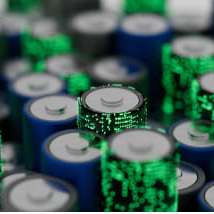
Characterization of Battery Materials Using Orthogonal Analytical Technologies
About The Event
The suitability of electrode materials used in manufacturing high-performance batteries depends on a range of structural, chemical, and electrochemical characteristics that can vary significantly with synthesis methods, precursor materials, and processing conditions. Quantifying these characteristics requires analytical approaches that capture different and complementary aspects of these materials. Analyzing materials using orthogonal methodologies provides a rigorous insight, moving beyond singular data points to a multidimensional validation strategy. In this case study, we demonstrate that by integrating independent, orthogonal technologies, such as pairing X-ray diffraction with gas adsorption, particle size and shape, and density measurements, researchers can unlock a robust framework for assessing electrode quality and predicting its behavior in battery systems.
More Information
Who should attend
What will you learn
Don’t miss out - book your place

facebook twitterrssinstagramlinkedinyoutube